
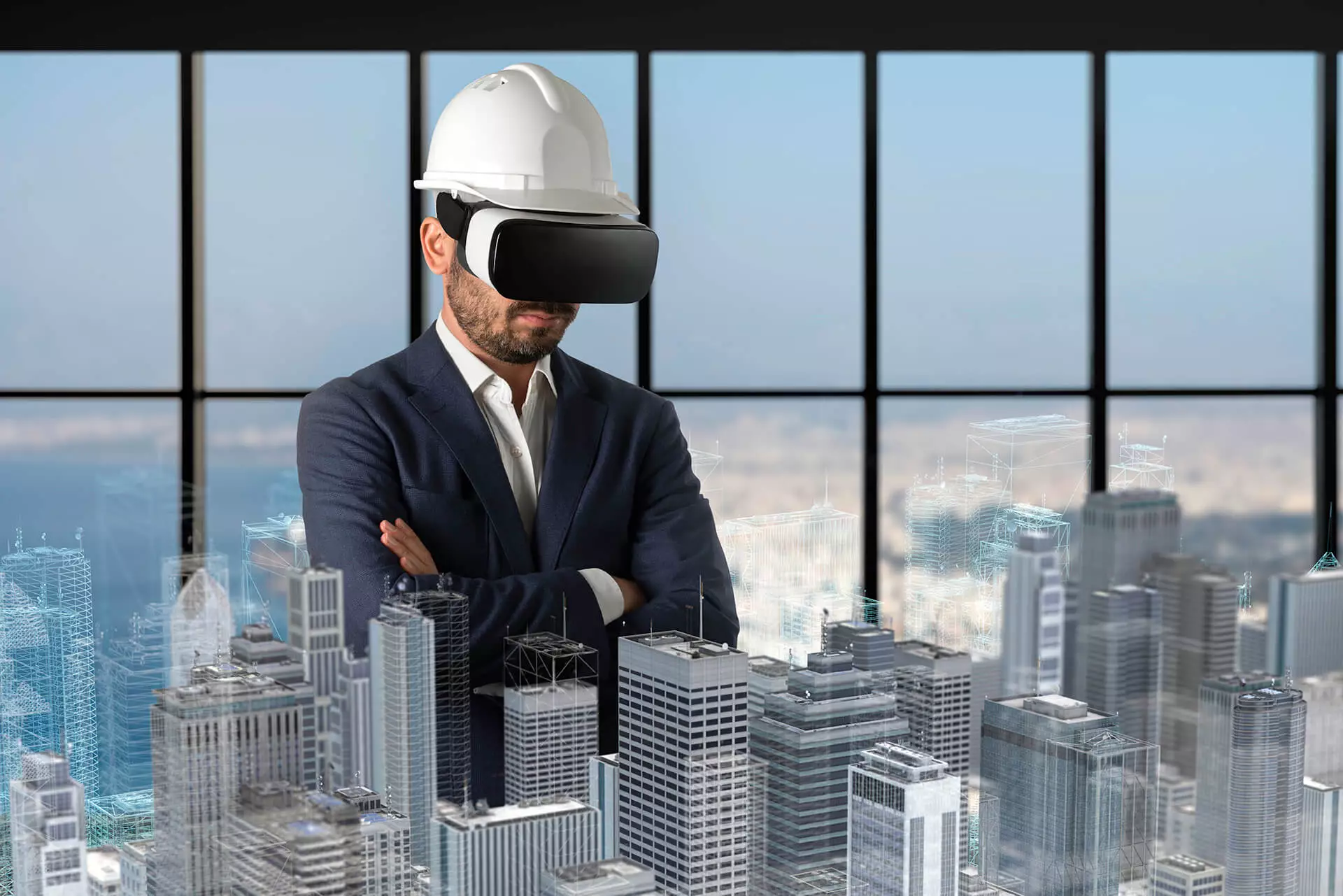
Virtual reality technology has been making waves in the real estate industry. As technology advances, virtual reality (VR) revolutionizes how we look at, interact with, and purchase a property. It has become a great way to give potential buyers an immersive experience of their prospective home or space before making big decisions.
Content
VR allows buyers to discover the details of a property in ways that traditional methods don’t. It also helps real estate agents and brokers save time, money, and resources by facilitating virtual tours instead of physical ones. As a result, VR is becoming increasingly popular among the real estate industry and individuals looking to buy or rent properties.
The use of virtual reality in the real estate industry is growing on a very positive trajectory. VR technology enables buyers to take an immersive 3D journey of a property long before they even step foot in it, giving them a better sense of what the space looks like and can offer them. It also allows sellers to dramatically reduce their expenses associated with real estates, such as marketing costs. VR technology also offers builders a way to virtually showcase their projects and give potential buyers a chance to experience them without having to travel.
Further, VR has been used to create stunning visuals and renderings of proposed buildings and interior designs. This helps buyers better understand what they are investing in and allows them to make more informed decisions. Additionally, augmented reality (AR) technology enables users to overlay virtual objects onto real-world environments, allowing buyers to visualize how furniture looks in a space before committing to it.
Overall, virtual reality has revolutionized how people interact with properties for sale or rent. It is quickly becoming a valuable tool for the real estate industry, making it easier and more efficient.
How Virtual Reality Enhances the Property Viewing Experience
One of the biggest challenges in real estate is helping buyers truly understand a property before visiting it. Traditional photographs and videos often fail to capture the full scale, design, and feel of a home. VR solves this issue by enabling 360-degree tours where potential buyers can walk through every room as if they were physically present.
This level of immersion reduces uncertainty and builds buyer confidence. For overseas buyers or those relocating to another city, VR saves travel costs and time, providing a realistic perspective without stepping outside their current location.
Cost Savings for Agents and Sellers
Marketing a property can be expensive. From staging and photography to hosting open houses, costs quickly add up. VR technology minimizes these expenses by offering virtual staging and digital tours that replace the need for frequent in-person visits.
For sellers, this means fewer disruptions to daily life since they don’t have to prepare the property repeatedly for showings. For agents, it translates into serving multiple clients simultaneously through VR platforms, reducing scheduling conflicts and operational costs.
VR for New Construction and Off-Plan Projects
Buying a property that hasn’t been built yet has always carried risks. Buyers often rely on floor plans, scale models, or 2D renderings that may not accurately reflect the final product. VR addresses this by providing immersive visualizations of off-plan developments.
Builders and developers can showcase apartments, offices, or houses before construction begins. Buyers can walk through these digital models, examine layouts, and even customize finishes. This not only increases buyer trust but also boosts pre-sales, helping developers secure funding for projects.
Augmented Reality: A Step Beyond VR
While VR transports users into a fully digital environment, augmented reality (AR) blends the real and virtual worlds. AR allows clients to use smartphones or AR glasses to visualize how furniture, appliances, or design elements fit into a real property.
For example, a buyer standing in an empty living room can overlay a digital sofa, table, or artwork to see how the space might look once furnished. This practical application gives buyers confidence in their design decisions and enhances personalization.
Impact on Global Real Estate Markets
The rise of VR has also influenced international property transactions. Many buyers from abroad invest in real estate without visiting properties in person. VR tours allow them to explore homes remotely, leading to faster sales and greater global participation.
Real estate companies targeting foreign investors now integrate VR tours on their websites, expanding their market reach and making cross-border property deals more efficient.
Training and Professional Development for Agents
Beyond sales, VR is also being used to train real estate agents. Agents can practice client interactions, learn property presentation techniques, and familiarize themselves with property features using VR simulations.
This hands-on training is cost-effective and prepares agents for real-world scenarios, improving overall service quality.
Challenges and Limitations of VR in Real Estate
Despite its advantages, VR adoption in real estate faces certain challenges:
High Initial Costs: Setting up VR systems and software requires investment, which may be difficult for small agencies.
Technology Barriers: Not all clients have access to VR headsets or fast internet speeds needed for smooth experiences.
Accuracy Concerns: If VR models are not updated or precise, they may mislead buyers.
However, as technology becomes more affordable and accessible, these barriers are expected to diminish.
Future of VR in Real Estate
Looking ahead, VR is set to become even more integrated into real estate processes. Future developments may include:
AI-powered personalization that tailors virtual tours to buyer preferences.
Haptic feedback technology, allowing users to feel textures like flooring or wall finishes in VR.
Blockchain integration with VR platforms to secure property transactions.
These advancements will push real estate further into a digital-first era, where buyers and sellers interact seamlessly in virtual environments.
Conclusion
The integration of virtual reality in real estate has redefined how properties are marketed, showcased, and purchased. By providing immersive tours, reducing costs, and enabling global participation, VR has become an indispensable tool for buyers, sellers, and agents alike. While challenges remain, the technology’s rapid growth indicates a future where virtual experiences are as common as physical showings.
As more people embrace VR and AR, the real estate industry will continue to transform, making property transactions more transparent, efficient, and engaging than ever before.
Frequently Asked Questions
How is virtual reality used in real estate?
Virtual reality is used in real estate to create immersive property tours, allowing buyers to explore homes in 3D without visiting them physically. It also helps with virtual staging, architectural visualization, and training for real estate agents.
What are the benefits of VR in real estate?
The main benefits of VR in real estate include time savings, reduced marketing costs, global accessibility, and improved buyer confidence. Buyers can view multiple properties virtually before deciding which ones to visit in person.
Can virtual reality replace physical property visits?
While VR provides a realistic and detailed view of properties, it doesn’t fully replace physical visits. Buyers still prefer to inspect structural quality, surroundings, and neighborhood atmosphere in person. However, VR significantly reduces unnecessary visits.
How does VR help real estate agents and brokers?
VR helps agents and brokers by saving time and resources. Instead of hosting multiple in-person showings, they can offer virtual tours, attract international buyers, and close deals faster. It also enhances their marketing strategy by showcasing properties in engaging ways.
Is VR affordable for small real estate agencies?
Initially, VR required significant investment, but today many platforms offer cost-effective VR solutions. Small agencies can use 360-degree cameras, virtual staging software, or subscription-based services to integrate VR without heavy costs.

With a passion for matching clients with their dream homes, Mary’s experience and knowledge of the real estate market make her a trusted advisor. She’s your go-to expert for buying or selling properties in the heart of the city.
